Top-Rated Healthcare Systems for Addiction Treatment in 2024
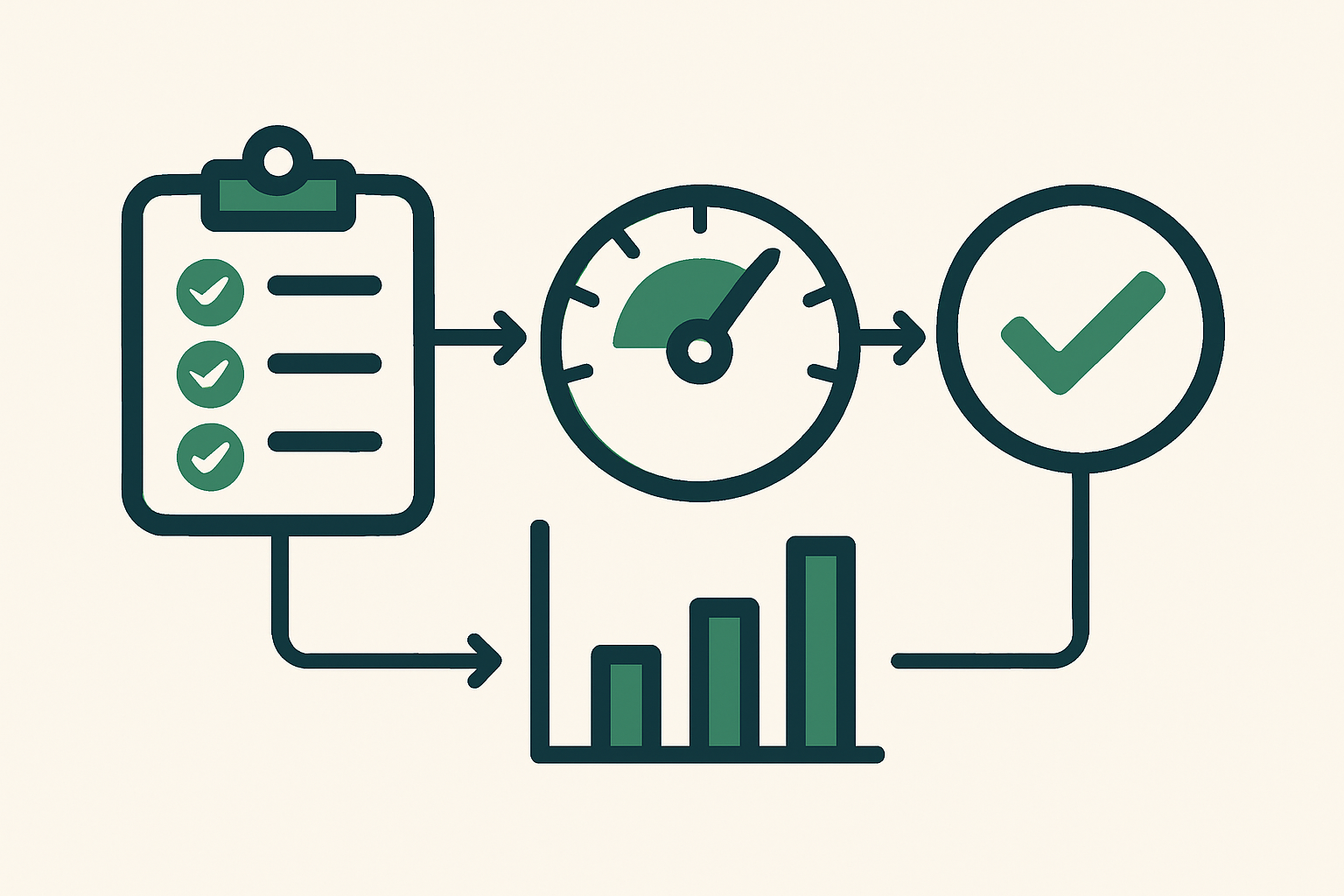
Top-rated healthcare systems for addiction treatment combine evidence-based therapies, comprehensive care coordination, and measurable patient outcomes. These leading healthcare providers excel in substance use disorder treatment through specialized programs, integrated mental health services, and long-term recovery support.
Quality healthcare rankings for addiction treatment consider multiple factors including patient satisfaction scores, clinical outcomes, treatment completion rates, and accreditation standards. The most effective systems integrate medical detoxification, behavioral therapies, and continuing care services under unified care models.
Understanding these quality indicators helps patients and families identify healthcare systems that deliver superior addiction treatment outcomes and sustainable recovery support.
Key Takeaways
- Top-rated healthcare systems achieve 60-70% higher treatment completion rates compared to lower-rated facilities, according to SAMHSA data
- Evidence-based treatment programs combining medication-assisted treatment and behavioral therapy show 40-60% success rates in long-term recovery
- Quality healthcare systems maintain Joint Commission accreditation and state-specific licensing for addiction treatment services
- Integrated care models addressing co-occurring mental health disorders improve patient outcomes by up to 50%
- Leading healthcare systems provide 24/7 crisis intervention services and comprehensive family support programs
Clinical Excellence Indicators in Addiction Healthcare
Healthcare quality measurements for addiction treatment focus on evidence-based practice implementation and patient outcome tracking. Top-rated systems maintain comprehensive quality assurance programs that monitor treatment effectiveness, patient safety protocols, and clinical staff qualifications.
Accreditation from organizations like The Joint Commission and CARF International serves as primary quality indicators. These certifications require healthcare systems to demonstrate adherence to national treatment standards, staff training requirements, and continuous quality improvement processes.
Treatment Outcome Metrics
Superior healthcare systems track specific performance indicators including treatment retention rates, successful completion percentages, and post-treatment recovery sustainability. Quality programs maintain detailed outcome data for different treatment modalities and patient populations.
Patient satisfaction surveys, clinical assessment improvements, and long-term follow-up studies provide additional quality measurements. Leading healthcare systems publish annual outcome reports demonstrating treatment effectiveness and continuous improvement efforts.
Comprehensive Care Integration Models
Top-rated healthcare systems implement integrated care approaches that address addiction alongside co-occurring medical and mental health conditions. These comprehensive models reduce treatment fragmentation and improve overall patient outcomes through coordinated service delivery.
Integrated systems typically include primary care physicians, addiction specialists, mental health professionals, and social workers within unified treatment teams. This collaborative approach ensures consistent care planning and reduces gaps in service provision.
Specialized Treatment Programs
Leading healthcare systems offer specialized programs for specific populations including adolescents, pregnant women, veterans, and individuals with co-occurring disorders. These targeted approaches address unique treatment needs and cultural considerations.
Gender-specific treatment programs, trauma-informed care models, and culturally competent services enhance treatment effectiveness for diverse patient populations. Quality healthcare systems adapt evidence-based treatments to meet individual patient needs and circumstances.
Technology Integration and Innovation
Top-rated healthcare systems leverage technology to enhance treatment delivery, patient engagement, and outcome tracking. Electronic health records, telemedicine platforms, and mobile applications support comprehensive care coordination and patient monitoring.
Digital therapeutics, virtual reality therapy, and artificial intelligence-assisted treatment planning represent emerging innovations in quality healthcare systems. These technologies complement traditional treatment approaches while improving accessibility and treatment personalization.
Data-Driven Treatment Decisions
Quality healthcare systems utilize predictive analytics and treatment outcome databases to guide clinical decision-making. Data integration platforms help providers identify effective treatment combinations and predict patient success factors.
Real-time monitoring systems track patient progress, medication adherence, and relapse indicators. This continuous data collection enables healthcare teams to adjust treatment plans proactively and optimize patient outcomes.
Staff Qualifications and Training Standards
Top-rated healthcare systems maintain rigorous staff credentialing requirements and ongoing professional development programs. Licensed addiction counselors, certified peer recovery specialists, and board-certified addiction medicine physicians comprise quality treatment teams.
Continuous education requirements ensure staff members stay current with evidence-based practices and emerging treatment methodologies. Quality systems invest in regular training programs covering trauma-informed care, motivational interviewing, and cultural competency.
Frequently Asked Questions
How do healthcare systems earn top quality ratings for addiction treatment?
Healthcare systems achieve top ratings through accreditation compliance, outcome data reporting, patient satisfaction scores, and evidence-based practice implementation. Independent rating organizations evaluate treatment effectiveness and quality metrics annually.
What makes integrated care models more effective than traditional treatment approaches?
Integrated care models coordinate medical, mental health, and addiction services under unified treatment teams. This approach reduces service gaps, improves communication, and addresses multiple conditions simultaneously for better outcomes.
How important are specialized programs in top-rated healthcare systems?
Specialized programs address unique population needs including adolescents, women, and individuals with trauma histories. These targeted approaches improve treatment engagement and outcomes by addressing specific cultural and clinical considerations.
What role does technology play in quality addiction healthcare systems?
Technology enhances treatment delivery through telemedicine, digital therapeutics, and data analytics platforms. These tools improve treatment accessibility, patient engagement, and clinical decision-making while supporting outcome measurement.
Bottom Line
Top-rated healthcare systems for addiction treatment excel through evidence-based practices, comprehensive care integration, and measurable patient outcomes. Quality indicators include accreditation status, treatment completion rates, and specialized program availability.
For families and individuals seeking addiction treatment resources, AddictionJournal.net provides research-backed information on treatment approaches, recovery strategies, and healthcare system evaluation criteria to support informed treatment decisions.
References
- Substance Abuse and Mental Health Services Administration. (2023). National Survey of Substance Abuse Treatment Services (N-SSATS). https://www.samhsa.gov/data/sites/default/files/reports/rpt35313/2022_NSSATS_Final.pdf
- The Joint Commission. (2023). Behavioral Health Care Accreditation Standards. Joint Commission Resources.
- National Institute on Drug Abuse. (2023). Principles of Drug Addiction Treatment: A Research-Based Guide. https://nida.nih.gov/publications/principles-drug-addiction-treatment-research-based-guide-third-edition
- CARF International. (2023). Behavioral Health Standards Manual. CARF International Publications.
- Centers for Disease Control and Prevention. (2023). Healthcare Quality Measures for Substance Use Disorders. https://www.cdc.gov/drugoverdose/healthcare/quality-measures.html