Holistic Care in Addiction Recovery: What It Really Means
Holistic care in addiction recovery means treating the whole person, not just the substance use itself. It combines physical, psychological, social, and spiritual support to address every layer of a person's life affected by addiction.
Standard clinical treatment alone often misses underlying causes like trauma, chronic stress, or poor mental health. Holistic approaches fill those gaps. Research shows integrated care models significantly improve long-term recovery rates compared to single-focus treatment.
Key Takeaways
- Holistic care treats addiction by addressing physical, mental, emotional, and social health together.
- According to SAMHSA, over 50% of people with substance use disorders also have a co-occurring mental health condition, making integrated care essential.
- Evidence-based holistic therapies include mindfulness, nutritional support, exercise, and trauma-informed counseling.
- The National Institute on Drug Abuse (NIDA) confirms that no single treatment works for everyone, supporting individualized, whole-person care.
- Holistic care improves treatment engagement and reduces relapse risk when combined with standard addiction medicine.
What Holistic Care Actually Means in Addiction Treatment
Holistic care is not alternative medicine or a rejection of clinical treatment. It is a framework that integrates evidence-based therapies with supportive practices targeting overall wellbeing. The goal is to restore balance across every dimension of a person's health.
In addiction treatment, this matters because substance use disrupts nearly every system in the body and mind. Recovery requires rebuilding physical health, emotional regulation, social connection, and a sense of purpose. Holistic care addresses all of these systematically.
The Core Dimensions of Holistic Addiction Care
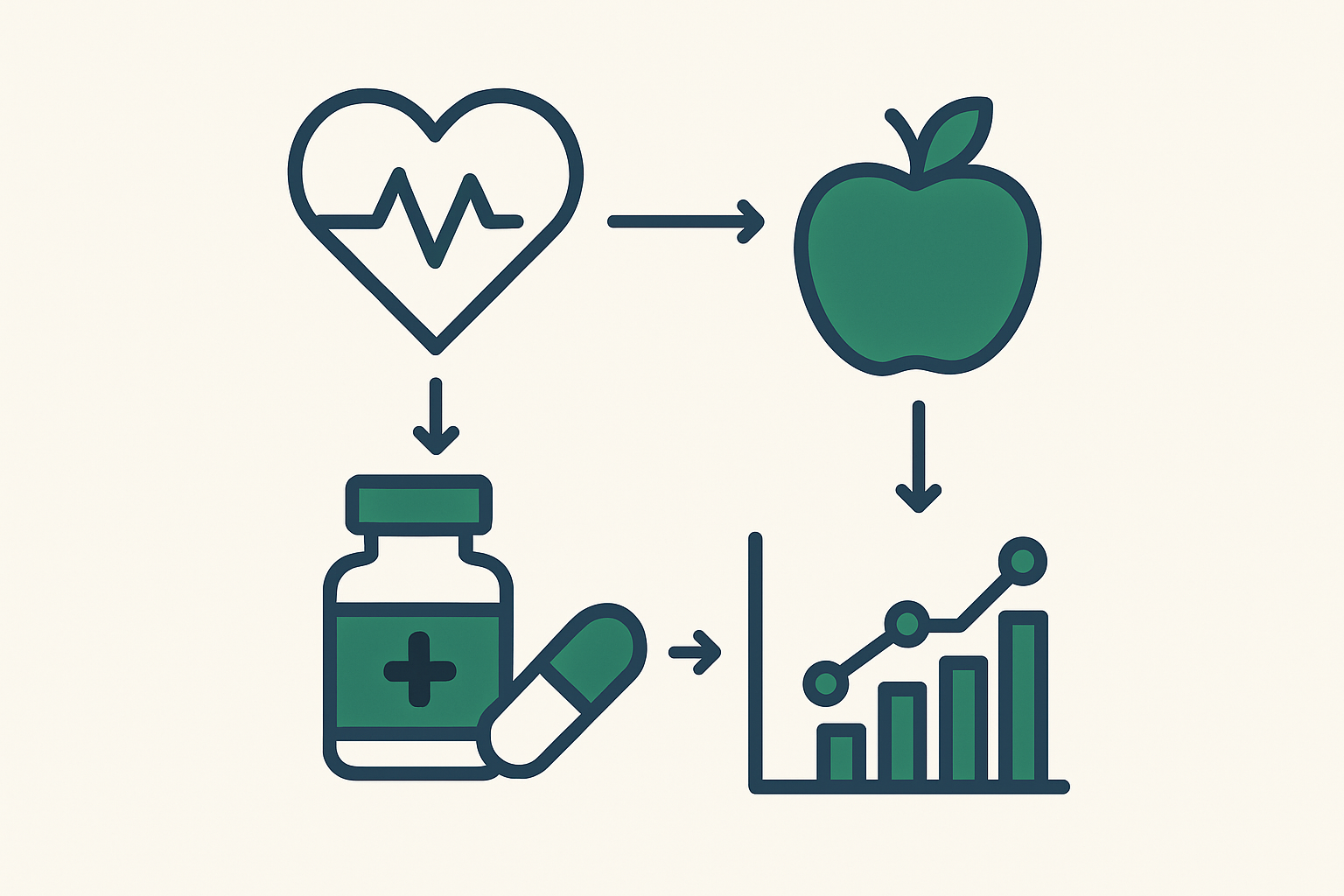
Most holistic treatment models address four core dimensions. These are physical health, mental and emotional health, social wellbeing, and spiritual or existential health. Each dimension interacts with the others, and weakness in one area can undermine recovery in all areas.
Physical health interventions include nutritional therapy, sleep restoration, and exercise programming. Mental health support includes cognitive behavioral therapy, trauma processing, and medication-assisted treatment where appropriate. Social support covers family therapy, peer support groups, and community reintegration.
Evidence-Based Therapies Used in Holistic Care
Holistic care does not mean unproven practices. Many of its core components are backed by substantial clinical research. Combining these with standard addiction treatment produces measurably better outcomes for many patients.
Mindfulness-Based Relapse Prevention
Mindfulness-Based relapse prevention, known as MBRP, teaches patients to observe cravings without reacting to them. Studies published in peer-reviewed journals show MBRP reduces relapse rates and improves emotional regulation in people recovering from substance use disorders.
The practice builds awareness of triggers and automatic responses. Patients learn to create space between a craving and a behavioral reaction. This skill directly addresses one of the most common drivers of relapse.
Nutritional Therapy and Physical Restoration
Chronic substance use depletes essential nutrients and disrupts gut health, hormonal balance, and brain chemistry. Nutritional therapy works to restore these systems, supporting mood stability and reducing early recovery discomfort.
Dietitians working in addiction treatment design meal plans that replenish deficiencies in B vitamins, magnesium, zinc, and amino acids. Improved nutrition supports neurotransmitter production, which directly affects mood, sleep, and cravings during detox and beyond.
Exercise and Movement Therapy
Regular physical activity increases dopamine and serotonin production naturally. For people recovering from addiction, this is clinically significant because substance use hijacks the brain's reward system and leaves it depleted after cessation.
Exercise programs in treatment settings reduce anxiety, depression, and cravings. Even moderate aerobic activity, performed three to five times per week, has been shown to support abstinence and improve treatment retention rates.
Trauma-Informed Care
A large proportion of people with substance use disorders have a history of trauma. Trauma-informed care recognizes this connection and shapes every interaction within a treatment setting to avoid retraumatization while supporting healing.
Therapies like EMDR (Eye Movement Desensitization and Reprocessing) and somatic experiencing are commonly integrated into holistic programs. These approaches help patients process traumatic memories stored in the body and nervous system, reducing a major relapse trigger.
Spiritual and Meaning-Based Support in Recovery
Spirituality in holistic care does not require religious belief. It refers to a person's sense of meaning, purpose, connection, and identity. Research consistently shows that people with a strong sense of purpose have better recovery outcomes.
Programs may include journaling, meditation, nature therapy, or values clarification exercises. These practices help individuals rebuild a sense of self that is not defined by their addiction. For many people, this dimension of care is the most personally transformative part of the process.
How Holistic Care Supports Long-Term Recovery
Short-term detox addresses physical dependence. Long-term recovery requires much more. Holistic care builds the internal and external resources people need to sustain sobriety through stress, loss, relationship conflict, and life's ordinary challenges.
By improving overall health and equipping patients with a wider set of coping tools, holistic treatment reduces the conditions that make relapse likely. Patients who receive comprehensive care are better prepared to navigate real-world pressures without returning to substance use.
Frequently Asked Questions
Is holistic care covered by insurance for addiction treatment?
Coverage varies by provider and plan. Many insurance policies cover core components like therapy, nutritional counseling, and psychiatric care. Practices like yoga or acupuncture may require out-of-pocket payment. Patients should verify benefits directly with their insurer and ask treatment centers which services are included in the standard program cost.
Can holistic care replace medication-assisted treatment?
No. Holistic care complements medication-assisted treatment, it does not replace it. For opioid or alcohol use disorders, medications like buprenorphine, methadone, or naltrexone are often medically necessary. Holistic practices work alongside these treatments to support overall recovery, not as a substitute for clinically indicated pharmacological care.
How do I find a holistic addiction treatment program?
Look for accredited treatment centers that offer integrated care plans combining clinical services with supportive therapies. SAMHSA's National Helpline and treatment locator at findtreatment.gov can help identify nearby options. Ask programs specifically which holistic services they provide and how those are incorporated into individualized treatment planning.
Does holistic care work for co-occurring mental health disorders?
Yes, and it is particularly valuable for dual diagnosis cases. Addressing mental health, trauma, physical health, and social factors together is more effective than treating addiction and mental illness separately. Integrated dual diagnosis treatment that includes holistic components is considered a best-practice approach by leading addiction medicine organizations.
Bottom Line
Holistic care treats addiction by addressing the whole person, combining clinical treatment with physical, emotional, social, and spiritual support to improve long-term recovery outcomes.
For research-backed information on evidence-based treatment approaches and addiction recovery, addictionjournal.net offers clear, scientifically grounded resources for individuals, families, and professionals seeking deeper understanding of the recovery process.
References
- Substance Abuse and Mental Health Services Administration. (2023). Co-occurring disorders and other health conditions. https://www.samhsa.gov/co-occurring-disorders
- National Institute on Drug Abuse. (2022). Principles of drug addiction treatment: A research-based guide (third edition). https://nida.nih.gov/publications/principles-drug-addiction-treatment-research-based-guide-third-edition
- Bowen, S., Chawla, N., Collins, S. E., Witkiewitz, K., Hsu, S., Grow, J., Clifasefi, S., Garner, M., Douglass, A., Larimer, M. E., & Marlatt, A. (2009). Mindfulness-based relapse prevention for substance use disorders: A pilot efficacy trial. Substance Abuse, 30(4), 295-305.
- Zschucke, E., Heinz, A., & Strohle, A. (2012). Exercise and physical activity in mental disorders: Clinical and experimental evidence. Journal of Preventive Medicine and Public Health, 45(1), 12-21.
- Substance Abuse and Mental Health Services Administration. (2014). Trauma-informed care in behavioral health services. Treatment Improvement Protocol (TIP) Series 57. HHS Publication No. (SMA) 13-4801.